Why I Meditate Right After a Workout
Simon Chia
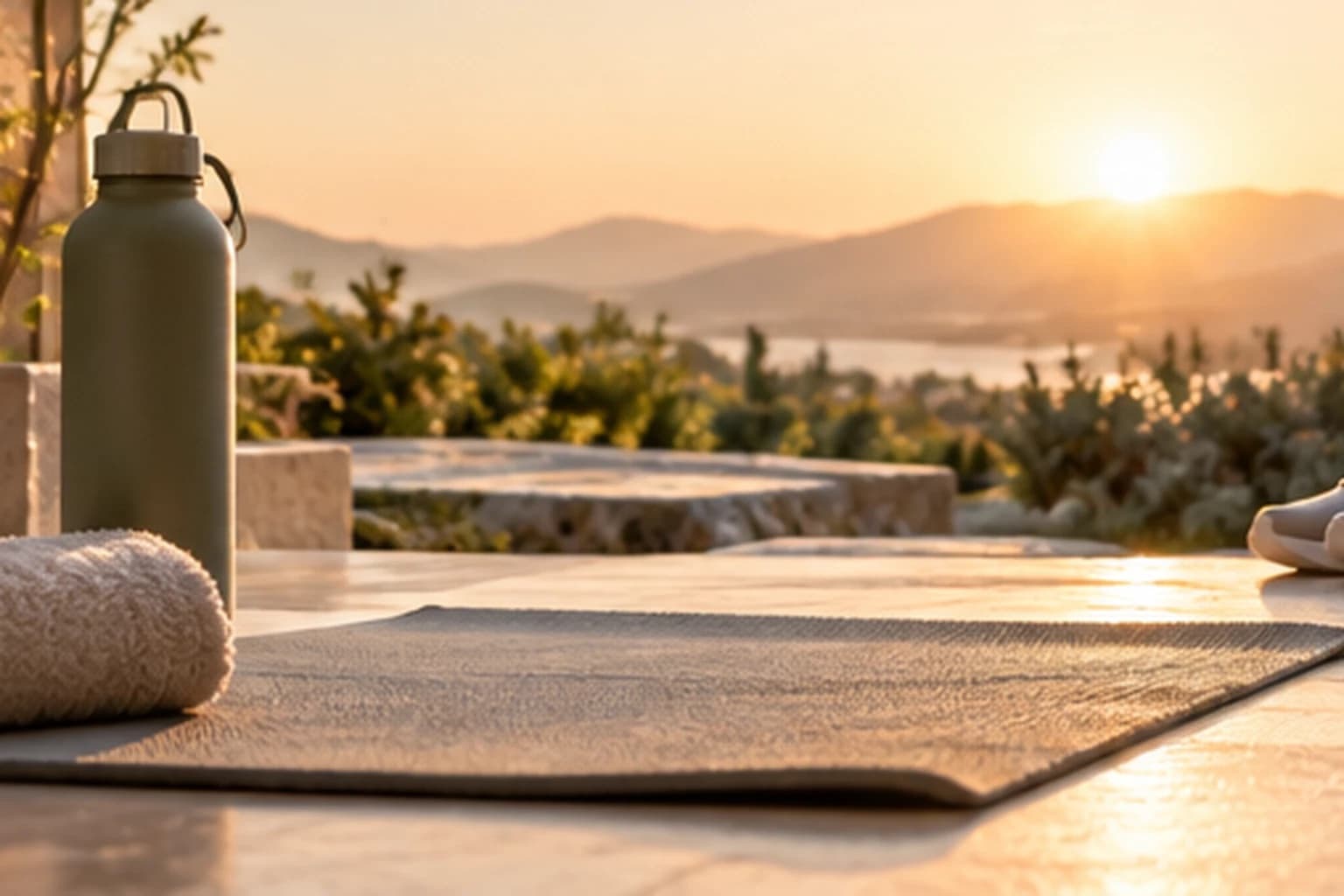
The last set is done. My heart is still beating fast and my shirt is damp. For once my mind has nothing left to say. That is the moment I sit down to meditate.
I have tried meditating at other times of day. I still do. But after strength training, a yoga class or a run, something is different. If you have ever decided you cannot meditate because your mind is too busy, this might be the easiest way in. Below I share what I have noticed and what research does and does not say. I also share a five-minute practice you can try after your next workout.
Key takeaways
- After moving your body, sitting still often feels more natural. The restlessness has somewhere to go first.
- Meditation simply means training your attention on the breath, a sound, a word or the present moment.
- Research on meditation is promising but mixed. Treat it as a practice, not a promise.
- Start with five minutes. Before or after exercise both work. Find what suits you.
My mind is quieter once my body has moved
When I try to meditate first thing in the morning, my body wants to fidget and my mind starts writing to-do lists. After a workout, a lot of that energy has already been spent. The body is ready to rest and the mind seems happy to follow.
That is my experience, not a rule. I know people who prefer to meditate before they train, to set an intention and settle their focus. Both are fine. What matters is that you sit down at all.
What meditation actually is
Meditation is not one thing. The US National Institutes of Health describes it as a range of practices for calming the mind. Some focus attention on a sensation like the breath, a sound or a mantra (a word or phrase you repeat). Others, like mindfulness, mean paying attention to the present moment without judging it (NCCIH).
So if you have been picturing a silent monk on a mountain, you can let that go. Breathing slowly on a gym bench for five minutes counts.
What research says, honestly
Meditation has become much more common. In the US, the share of adults who meditated more than doubled between 2002 and 2022, from 7.5% to 17.3% (NCCIH).
Studies have looked at meditation and mindfulness for stress, sleep, low mood and more. Some results are encouraging. The same NIH page is also clear that much of this research has been preliminary and that results may have been read too optimistically (NCCIH). I find that reassuring rather than disappointing. It means nobody needs to sell you meditation as magic. You can simply try it and notice what it does for you.
It is also worth knowing that meditation is not risk-free for everyone. A 2020 review found that about 8% of participants had a negative effect, most often anxiety or low mood (NCCIH). If sitting with your thoughts ever feels overwhelming, open your eyes or shorten the practice. You could also try a guided or walking meditation instead. If you are living with trauma or a mental-health condition, talk it through with a professional you trust.
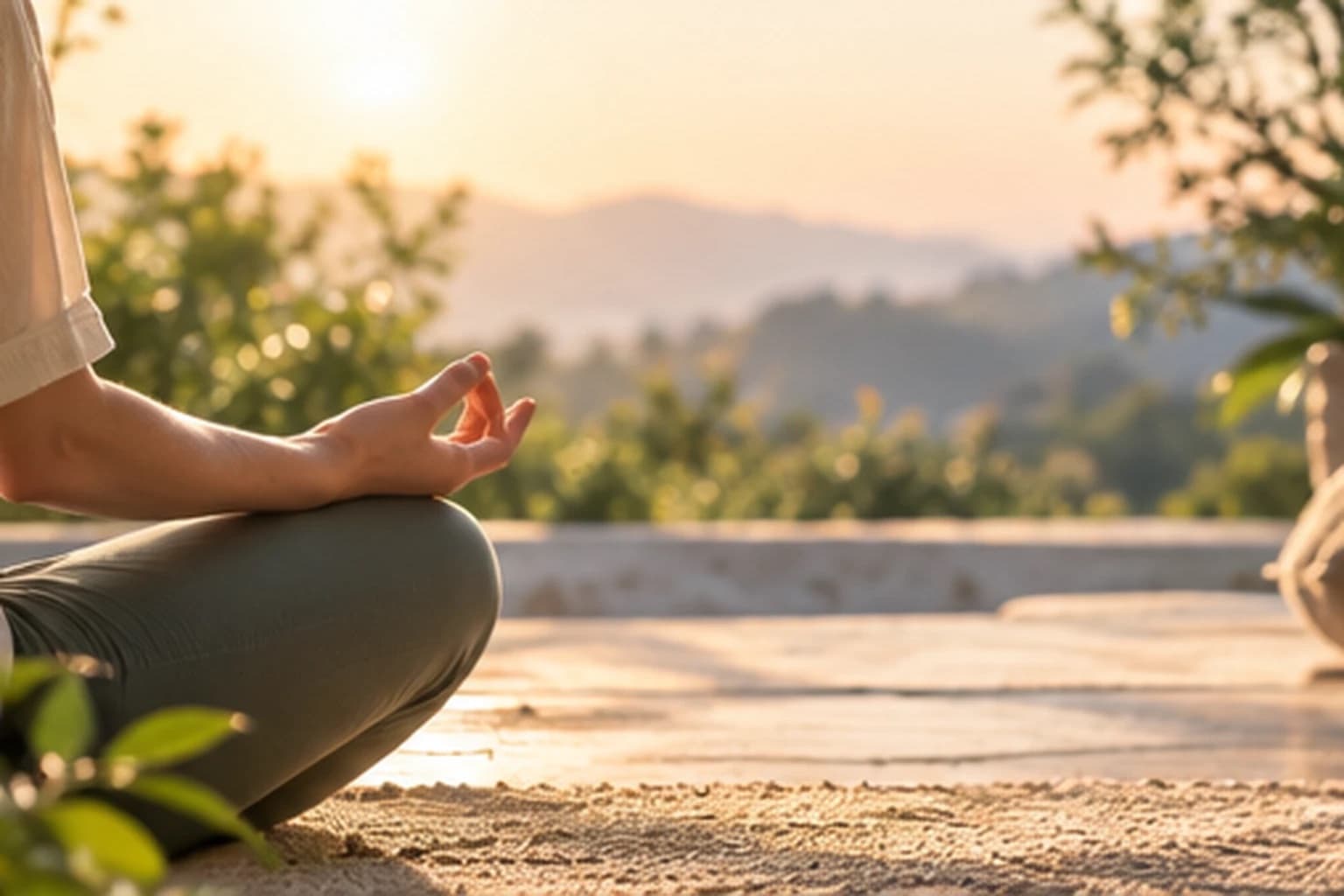
A five-minute practice for after your workout
You do not need an app or a special place. Try this before you shower or change.
- Sit or lie down somewhere you will not be interrupted. A mat, a bench or the floor is fine.
- Let your breathing slow on its own. Do not force it. Just feel your chest and belly rise and fall.
- Notice your body. Warm muscles, a tingle in your hands, your heartbeat settling. Name what you feel quietly, without judging it.
- When your mind wanders, come back. It will wander. Coming back is the practice, not a failure.
- After five minutes, pause before you get up. Notice whether anything feels different from when you sat down.
Some days it will feel deep. Some days you will spend the whole five minutes thinking about lunch. Both count.
Letting go is the point
For me, meditation after a workout is about letting go. The effort is finished. For a few minutes there is nothing left to push, prove or fix. I can just be.
I have noticed how often I hold on, even to good things. I want something deeply while quietly telling myself it will not happen, so I cannot be disappointed. Is that not a contradiction? Sitting still after the body has had its say is one of the places I see those patterns most clearly. Not to fight them. Just to notice them and let them soften.
You can do this practice alone. You do not have to. If you would like support, you can explore the different approaches in our Healing guide.
Something to sit with
Where in your life are you pushing hard? Where could you simply allow? After your next workout, before you reach for your phone, sit for five minutes and find out.
Energy healing is a complementary practice. It is not a substitute for professional medical or mental-health advice, diagnosis, or treatment. Always talk to a qualified healthcare provider about any medical concern.
- meditation
- exercise
- mindfulness
- beginners
When you feel ready
Every healer on EaseHere is reviewed by a real person before their profile goes live.
Browse healers